Aircrew Parachute Harness/Pack – Vulcan & Victor Crew Seats: Collectible Aircraft Emergency Gear
Aircrew Parachute Harness/Pack – Vulcan & Victor Crew Seats: Collectible Aircraft Emergency Gear
Blog Article
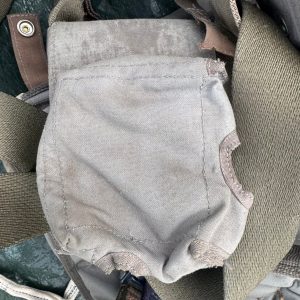
The Aircrew Parachute Harness/Pack – Vulcan & Victor Crew Seats offers collectors, restoration specialists, museums, aviation historians, and qualified equipment professionals a distinctive example of military flight safety equipment.
An Aviation Parachute Harness may form part of military, training, experimental, aerobatic, or historic aviation equipment, while a Pilot Parachute Harness requires professional assessment before any operational consideration.
An Aircraft Emergency Parachute Harness, Aircrew Safety Harness, Flight Crew Parachute Harness, Emergency Parachute Harness, and Military Aircrew Harness all describe safety-related equipment intended to secure aircrew within compatible parachute or escape systems.
Whether described as an Aviation Emergency Escape Harness, Parachute Harness Assembly, Aircraft Crew Safety Equipment, Aircrew Emergency Equipment, or Pilot Emergency Parachute System, the item should be evaluated within its complete original configuration.
Aircraft Parachute Equipment offers the strongest value when condition, origin, markings, storage history, and intended sale status are disclosed transparently.
Overview of the Military Aircrew Parachute Assembly
The offered harness and pack should be identified through visible labels, part numbers, contract markings, manufacturer information, dates, inspection stamps, and known aircraft-seat relationships.
Collectors and restorers benefit from a complete inventory showing installed items, loose pieces, missing parts, and unverified features.
Inspecting an Aviation Parachute Harness
Metal hardware can corrode, crack, deform, seize, or develop sharp edges that damage surrounding material.
Original here thread can lose strength even when the stitch pattern remains visually intact.
Evaluating Harness Size and Fit
Historic equipment intended for display should remain clearly separated from equipment evaluated for operational use.
Frozen or stiff hardware should not be forced because this can tear material or damage rare components.
Understanding Emergency Parachute Attachment
The harness alone does not establish the condition or completeness of the complete emergency system.
Careful documentation supports restoration research and Aircraft Emergency Parachute Harness preservation.
Military Aircrew Safety Components
An Aircrew Safety Harness may serve as part of a parachute, restraint, escape, survival, or crew-seat equipment system depending on its exact design.
The assembly should receive padded support that preserves its natural shape without stretching straps.
Military Parachute Harness Inspection
The condition of a Flight Crew Parachute Harness should be described using specific observations rather than broad terms such as excellent, serviceable, or ready for use.
Unsupported claims of combat use, specific crew assignment, or aircraft provenance should be avoided.
Emergency Harness Storage Review
The pack or container should be examined separately for fabric deterioration, closures, contamination, deformation, and missing components.
Signs of deterioration can include fading, stiffness, powdering fibers, frayed edges, stains, mildew, chemical odor, burned areas, torn stitching, corrosion transfer, and damaged labels.
Preserving Cold War Aviation Safety Gear
A Military Aircrew Harness associated with Vulcan and Victor crew seating can hold significant interest for collectors of British military aviation, historic aircraft equipment, and Cold War-era artifacts.
Support points should distribute weight without stretching aged webbing or stressing fittings.
Understanding an Aviation Emergency Escape Harness
Seat design, parachute pack, harness connections, release mechanisms, crew procedures, aircraft configuration, and survival equipment may all interact.
Reference photographs and manuals may help reconstruct the intended arrangement.
Military Parachute Pack Components
The exact configuration should be listed clearly so buyers understand what is included.
Unverified components should be identified as unknown rather than assigned an unsupported function.
Historic Aircraft Safety Components
Historic equipment should be labeled clearly when sold for display, collection, restoration, or reference.
Original dirt, markings, or wear may provide useful historical evidence.
Historic Aircrew Emergency Equipment
The item may have educational value even when it is incomplete or unsuitable for operational use.
Replacement straps or hardware should be disclosed when known.
Understanding a Pilot Emergency Parachute System
A Pilot Emergency Parachute System includes more than a harness because the pack, canopy, deployment equipment, connections, fit, inspection status, and operating procedures all matter.
Collectors should avoid deploying, unpacking, repacking, or load-testing rare equipment without understanding the effect on originality and condition.
Historic Harness Display Planning
Reversible display methods protect authenticity and long-term value.
Public displays should include clear information explaining the item’s aircraft association, approximate period, purpose, condition, and nonoperational status where appropriate.
Buying Historic Aircrew Equipment
A collector may prioritize originality and aircraft association, while a restoration buyer may focus on matching fittings and seat compatibility.
Price should reflect the complete evidence rather than aircraft-name keywords alone.
Avoiding Incorrect Harness Substitution
Configuration research helps avoid historically inaccurate or technically unsuitable assemblies.
Historic photographs and technical references can guide arrangement when available.
Evaluating Historic Parachute Equipment
The seller should disclose cut straps, missing fittings, corrosion, mildew, staining, odors, repairs, modifications, opened packs, and unknown internal contents.
- Verify whether the harness, pack, fittings, connectors, straps, and seat-interface components belong to one original configuration.
- Inspect stitching for broken threads, loose patterns, separation, contamination, fading, and previous replacement.
- Retain purchase records, photographs, provenance documents, packaging, and condition reports with the collection or restoration file.
Long-Term Harness and Pack Care
Acidic cardboard, untreated wood, plasticizers, rubber, chemicals, and damp fabrics should not contact the equipment.
Routine monitoring supports long-term Aircrew Parachute Harness/Pack preservation.
Reversible Aircrew Harness Mounting
A crew-seat display should support the pack in a way that reduces weight on aged straps, fittings, and adjustment points.
Lighting should be limited to reduce fading and fiber deterioration, while the display case should protect against dust, touch, moisture changes, and accidental impact.
Maintaining Historic Aircrew Parachute Equipment
Conservation decisions should consider both material stability and historical value.
Organized records support responsible stewardship of Aircrew Emergency Equipment.
Buying Historic Military Aircrew Parachute Equipment
The Aircrew Parachute Harness/Pack – Vulcan & Victor Crew Seats may suit museums, military aviation collectors, cockpit restorers, historians, preservation specialists, and buyers seeking authentic aircrew equipment.
Careful technical, historical, and commercial evaluation can reduce authenticity concerns, condition surprises, missing-component costs, and unsuitable-use assumptions.
Whether the requirement is an Aviation Parachute Harness, Pilot Parachute Harness, Aircraft Emergency Parachute Harness, or Aircrew Safety Harness, individual condition assessment should guide the purchase.
With transparent condition reporting, complete photography, secure shipping, specialist review, and controlled handling, the equipment can support a professional Vulcan or Victor crew-seat project.
Report this page